
The Cost of Skipping an Elevator Pressure Test

An elevator pressure test is a critical safety and compliance procedure for hydraulic elevators. In this article, we’ll explain what an elevator pressure test is, why it matters, the hydraulic elevator pressure test requirements, and how often you need an elevator pressure test. We’ll also cover common problems found during testing and the long-term cost benefits of staying compliant.
At Metro Elevator, we help building owners track inspection schedules, maintain code compliance, and provide preventive maintenance to keep elevators running safely and efficiently.
What Is an Elevator Pressure Test?
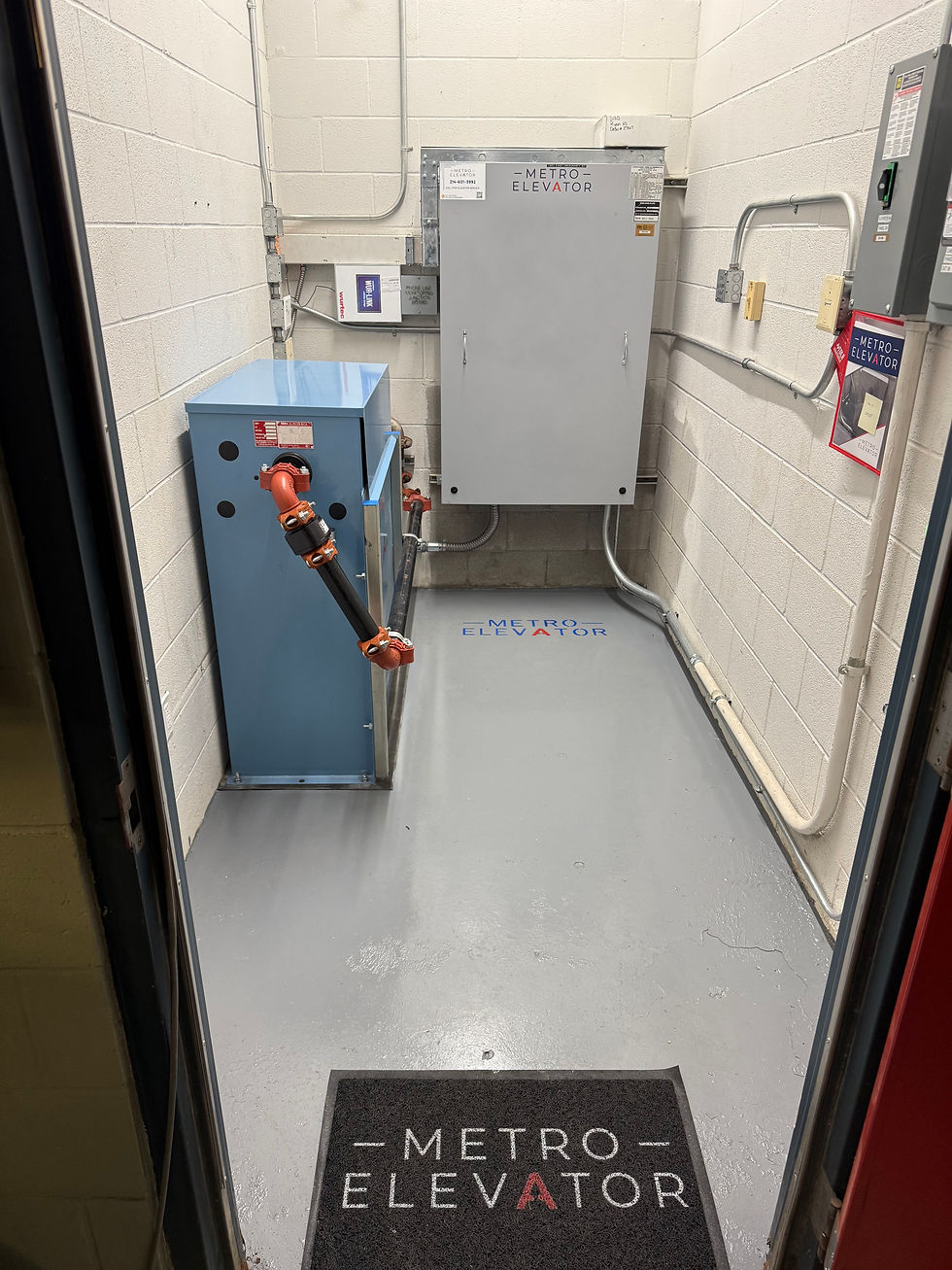
An elevator pressure test measures the integrity of a hydraulic elevator’s system, detects leaks, and ensures compliance with safety standards. These tests apply specifically to hydraulic elevators, which use fluid-powered cylinders to move passengers.
There are two main types of required tests:
Annual Pressure Relief Test
Checks the system’s relief valves to prevent overpressure. Required by the Authority Having Jurisdiction (AHJ) every year.
Overspeed/Pressure Test (every 3-5 years)
A more comprehensive test that measures both pressure and speed to confirm the elevator meets all safety and code requirements.
Both tests are essential to protect your building, tenants, and budget.
Why Skipping a Pressure Test Is a Costly Mistake
Skipping an elevator pressure test can lead to serious financial, legal, and safety problems:
Fines for code violations if inspections are overdue
Liability risks if an accident occurs
Higher repair costs from undetected leaks or component failures
Downtime is another major concern. If a hydraulic system fails, an elevator could be out of service for weeks or months, disrupting tenants, slowing operations, and affecting overall tenant satisfaction.
Real-world examples include:
Pits flooding with hydraulic fluid from long-term, undetected leaks
Cylinders failing without warning
Elevators shut down after inspectors discover overdue testing
In every case, the cost of repairs far exceeds the cost of routine testing.
Hydraulic Elevator Pressure Test Requirements
Understanding hydraulic elevator pressure test requirements is key to compliance. Most states require:
Annual pressure relief testing every year
Overspeed/pressure testing every 3-5 years
These requirements are tied directly to insurance and liability, meaning missed tests can affect your coverage and create additional risk.
How Often Do I Need an Elevator Pressure Test?
Test frequency depends on your state’s regulations, but we know that standard pressure testing for relief valves needs to be performed annually. Only hydraulic elevators in seismic zones have overspeed valves and these are typically tested every 3-5 years.
Metro Elevator helps building owners track inspection schedules, manage compliance deadlines, and avoid penalties for missed tests, making sure nothing slips through the cracks.
Common Problems Found During a Pressure Test

During a pressure test, technicians commonly uncover issues such as:
Worn or damaged seals
Hydraulic fluid leaks
Cylinder corrosion or deterioration
Finding these problems early helps prevent major breakdowns, emergency shutdowns, and costly repairs. It also keeps your tenants safe from unexpected elevator outages.
Long-Term Cost Benefits of Regular Testing
Routine pressure tests are one of the smartest investments a building owner can make. Scheduled testing costs significantly less than emergency repairs, extended downtime, or the legal and financial consequences of a safety failure.
Regular testing also extends the life of your hydraulic system and improves overall elevator performance.
If your elevator is aging or showing signs of wear, modernization may also be worth considering.
Why Choose Metro Elevator for Your Pressure Test
Metro Elevator has deep expertise with hydraulic elevators and a full understanding of all hydraulic elevator pressure test requirements. Our team focuses on safety, compliance, and long-term performance through customized preventive maintenance programs that support your building’s needs.
Skipping an elevator pressure test exposes you to unnecessary financial, legal, and operational risk. Staying proactive protects your investment, ensures passenger safety, and keeps your elevator running safely.
To schedule your next inspection or request support, contact your local Metro Elevator Division today.
_________________________________________________________________________
Justin Lee brings nearly 26 years of comprehensive elevator industry experience to his role as Vice President of Metro Elevator Idaho. Click to learn more about Justin and his team.


